
Year-End Giving, Lasting Impact: Investing in Education Through Scholarships
Meet the Speakers
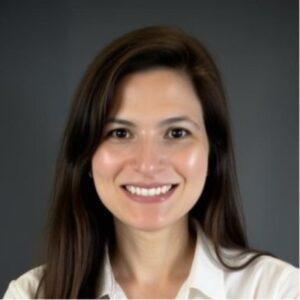
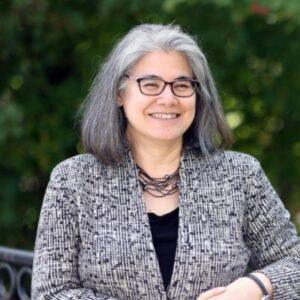
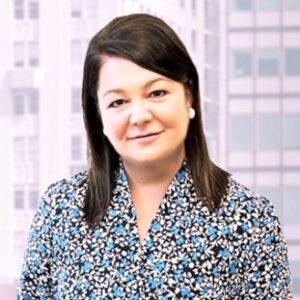
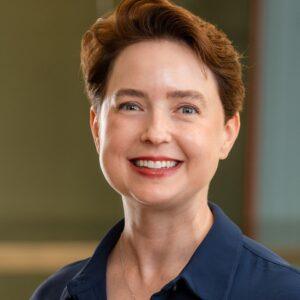
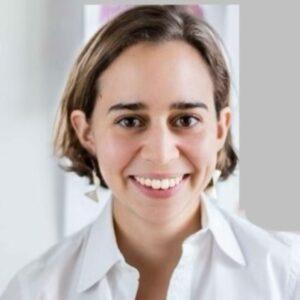
Year-end is one of the busiest and most meaningful stretches of the giving calendar, and for many donors, December 31 is a real deadline. In this Scholarship America webinar, Abigail Seldin is joined by Lisa Barr of National Philanthropic Trust, Katie Collins of Pathway Philanthropic, Ellie Sharef of Mercer Advisor, and Miki Akimoto of Foundation Source to talk about what motivates donors, which education giving trends are emerging, and how scholarships can advance the causes that matter most. The panel covers practical year-end considerations, from donor-advised funds to private foundation rules, along with bigger questions about emergency aid, economic mobility, human potential, and multigenerational legacy.
Please note that the following transcript has been edited for clarity.
Why Year-End Giving and Scholarships Go Together
Abigail Seldin: Welcome, everyone. I’m so thrilled to welcome this great team of panelists, along with our audience and colleagues, to this webinar, Year-End Giving, Lasting Impact: Investing in Education Through Scholarships. On behalf of Scholarship America, we’re really glad to have you all with us today.
Scholarship America is the largest nonprofit administrator of private scholarships in the U.S. and around the world. We have the privilege of awarding nearly 110,000 learners every year, in all 50 states and 86 countries, with more than $330 million in funds to support their education. We do that work in partnership with individuals and families through multiple types of giving vehicles, whether donor-advised funds, community foundations, family foundations, trusts, institutional trustees, or direct giving. We also work with half the Fortune 500 corporations, along with privately held businesses, sports teams, and other entities investing in post-secondary education and training here in the U.S. and around the world.
As part of that work, we take on the complexity that enables people to make the investments they want to make in individuals, especially as part of year-end giving. We started thinking about this webinar as early as last Christmas, when our team set up a scholarship that day for a donor who wanted to make a lasting impact but still meet their end-of-year distribution deadline. As December 31 approaches, individuals, families, and foundations all have opportunities to make thoughtful, strategic decisions about their charitable giving, even against this deadline.
From our perspective, scholarships offer a meaningful way to turn philanthropic priorities into lasting impact. They expand access to education through four-year degrees, trade school, and apprenticeships, as well as emergency aid programs that keep students on track when they hit a flat tire.
Today we’re welcoming leaders in philanthropy, charitable giving, and wealth planning for a conversation about what motivates donors, emerging trends in giving, and how scholarships can advance the causes and outcomes that matter most to the people they work with. Our panelists will explore practical year-end considerations, as well as broader questions about how education giving can reduce financial barriers, expand economic mobility, and create lasting opportunities for future generations.
With that, let’s move into the discussion. I’ll ask each panelist to introduce themselves as we go, with your name, your organization, and what brings you to this conversation, in addition to answering our question prompts.
Emerging Donor Trends in Education Giving
Abigail Seldin: Lisa, as you look at the donors you work with, what trends do you see emerging in education giving, and where do scholarships fit into that bigger picture?
Lisa Barr: Thanks, Abigail. It’s great to be with you. I’m Lisa Barr, Senior Vice President of Partner Development for National Philanthropic Trust. We’re the largest independent provider of donor-advised funds (DAFs), working with donors all over the country, with DAFs large and small. Many of those donors are interested in education as one of the key areas they support.
Education remains a deeply personal giving priority, because donors can see the direct connection between their philanthropy and a student’s opportunity. We also know donors are looking beyond traditional four-year degrees. They’re looking at community colleges, trade schools, different types of certification, emergency aid, and lots of organizations that help a student along their educational journey.
At NPT, we do donor-advised funds all day, every day. A DAF can be a great way for donors to make a commitment to education part of their broader financial and strategic charitable plan. A donor can contribute to a DAF before year-end. This is our busiest time of the year at NPT, and we can get those funds into the DAF even when a donor doesn’t yet know which educational causes they want to support, or which scholarship program they want to support or even build. We’re here to be that planning partner: to help a donor establish a DAF, get the contribution in before year-end, and receive a charitable tax deduction where eligible. Then the donor has time and space to be thoughtful and strategic about the education causes they want to support.
Set a North Star Before You Give: Defining Your Philanthropic Goals
Abigail Seldin: Thanks, Lisa. Katie, if you can introduce yourself, we’re curious about donors who have already established a goal, a budget, a DAF, or a foundation. What are you hearing from them about what they want their philanthropy to accomplish, and how does the year-end deadline change or shape that?
Katie Collins: Hi everyone, it’s great to be here. I’m Katie Collins, and I run an advisory firm called Pathway Philanthropic. I work with both individual donors and nonprofits. I’m a generalist by trade.
Once people establish a donor-advised fund or a private foundation, or they just want to be more intentional with their giving, I find it’s important to start taking notes on what they want to accomplish. Even just a piece of paper. It doesn’t need to be a perfect mission or vision statement. What are you hoping to accomplish? What’s your North Star? What’s the challenge? If the answer is education, that’s so broad that I ask, “What aspect of education are you really looking to make an impact in?” From there, you can hone in, whether it’s early childhood, post-secondary, or access to community colleges in your state.
Once you have an idea, do your homework. I always tell donors they need to be aware of what’s going on in that space. If it’s post-secondary pathways in the Albany, New York region, who are the other funders? What are they giving to? What can you learn so you’re a more educated donor, and can combine your vision with an awareness of what’s happening?
Why Emergency Aid Matters at Year-End
Katie Collins: If you have your DAF or private foundation set up and your funds ready to go, year-end is not as stressful. There isn’t that same urgency. But the world is on fire, as one of my clients says, and there’s a lot of need right now. If you have a little extra room heading into year-end and you’re passionate about an area, I’d encourage you to add more to that pot, even if you think you’re done for the year. There’s just a lot of need out there, especially for emergency aid, which you mentioned. I’m hearing that consistently in the area where I live. If folks can go a little deeper in their philanthropic budget for the year, that’s what I’d encourage heading into year-end.
Abigail Seldin: I’m so grateful you brought up emergency aid. We’re hearing that more and more, especially now around midterms. So many students are on the edge economically, and as they hit midterms, they’re at risk of dropping out because of a flat tire, a child’s unexpected and expensive prescription, or a shift they didn’t get assigned at work because it conflicted with their school schedule. We see people knocked off the path to opportunity by expenses that are often under $1,000. An emergency aid scholarship can be the difference maker.
How Scholarships Invest in Human Potential
Abigail Seldin: Ellie, you and I have talked a lot about how people come to scholarships not by thinking about education as their giving topic, but by thinking about leadership or other kinds of systems change. What do you hear from donors about what they want their philanthropy to accomplish, and how can that intersect with supporting individuals through scholarships?
Ellie Sharef: Absolutely. Thank you for having us and for hosting today. My name is Ellie Sharef, and I run philanthropic services at Mercer Advisor. We’re a national fiduciary registered investment advisor, and we help clients at the high-net-worth and ultra-high-net-worth levels with wealth advising. We’ve found that having a conversation with a client at the moment they decide they want to be charitable, and advising them on how to do it, makes a huge difference. Some of our clients wanted to get more involved, but Googling on their own or following ad hoc advice felt disconcerting. Integrating philanthropy into their full advisory conversation has been huge.
To your question, Abby, I’d say two things. First, some clients come to us with very specific interest areas. We had a client recently who is very excited about folk music, but many of their donations go to very small organizations. As they wanted to scale up their giving, they asked how they could do that while keeping their passion for this very particular kind of tribal folk music alive. Scholarships became an idea we shared with them. Likewise, we have clients interested in specific groups of animals or other topic areas who aren’t sure how to build a broad-based giving strategy and still feel they’re having full impact. That’s one area where we often think scholarships can play a big role.
Second, if I think about our client base, some folks have been very successful in their lives and business, and many of them believe the world is made up of individuals, and that investing in individuals and their talents is what makes us human. Especially in an age of AI, some donors want to give to very AI-oriented causes, but others want to give in even more granular ways, and what’s more granular than an individual person? As we guide them, we often realize they hold this belief, and they may not have thought about scholarships yet. But they recognize that one person really influenced them in their life, or that one person they noticed had an outsized impact on the world is someone they admire. They realize a scholarship is a way to invest in human potential in a very specific, directed way that aligns with their worldview. So whoever you are, if you’re wondering what your worldview is, and whether at least a portion of your giving could focus on true human potential, I think scholarships are a beautiful way to do that.
What Foundations See at Year-End: New Scholarship Programs and Non-Traditional Pathways
Abigail Seldin: I love that, and it’s certainly timely, given the growing question of how AI will change education and how we respond. Miki, thinking about what people are interested in, but also how they work against the deadline, what are you hearing from foundations, or from families that have foundations? As December 31 approaches, what challenges come up more frequently at year-end, and how are you seeing people navigate them?
Miki Akimoto: Hi everybody, I’m Miki Akimoto, Vice President of Philanthropic Advisory Services at Foundation Source. Foundation Source is the nation’s largest provider of comprehensive support services for private foundations. We support over 2,500 family, corporate, and professionally staffed foundations, ranging in size from relatively modest to multiple billions of dollars, so we see the gamut of everything Lisa, Katie, and Ellie have talked about.
As we get toward year-end, I’m seeing several of those themes come together. People who already have a scholarship program have typically made a lot of their grants by now. But we’re also seeing new foundations come in the door saying, from the jump, “We know we want to make scholarships.” For them, the work right now is administrative planning, like filing the application with the IRS and starting to investigate what they want to do. Some people are moving more money more quickly. I’m also seeing a lot of our foundation clients gearing up to plan for 2027, setting up a thoughtful planning cycle to say, “We want to move into scholarships.”
I’m also seeing more focus on non-traditional supports, either emergency funding or funding for credentials and professional licenses. These aren’t necessarily a four-year degree, but they lead to social and economic mobility down the line. Education is being expressed as a lever for that jumpstart toward success in life. So we’re thinking about education and scholarships not as an end point, but as a strategy for supporting people, very much what Ellie was talking about.
Abigail Seldin: I love that tie-off, because for so many donors, it’s about economic mobility. That’s a big part of what drives them, and certainly one side of the coin, with Ellie’s concept of human potential being a second driver of what makes people want to invest in this kind of vehicle. As an aside on trades, we’re awarding nearly $20 million to 10,000 students in the trades every year, and that number is growing, in part as people think more broadly about who is scholarship material and what it means to invest in an individual.
From Broad Philanthropic Interest to a Giving Strategy With Measurable Impact
Abigail Seldin: Katie, and then Miki, I’m keen to hear from you. How do you help a family or an individual move from a broad philanthropic interest to a giving strategy with clear goals and meaningful impact? And how do you think about measurement?
Katie Collins: I could probably spend two hours answering that, but I’ll try to be succinct. I talk a lot about peanut butter philanthropy. I’ve worked with a lot of donors who start out saying, “I give $50 to 100 different organizations once a year.” When you ask questions about impact, which I’ll get to because it can be a dangerous word, and suggest concentrating a bit of your giving in targeted focus areas, you might go further and become more educated on that topic. You start to make progress and have some “aha” moments. Often you meet funders at the right time, when they want to be more intentional because of a life experience or a desire to pay it forward.
For me, it’s all about who this person is, what makes them tick, what their personal values and upbringing are, and how that translates into the impact they want to make in the world. How do they want to make the world a more beautiful place? If someone’s open to it, whether it’s an individual donor, a couple, or a family, there’s a lot of discussion about the mark they want to make. If it’s education, we hone in on the specific challenge they want to address. Whether the broad focus is education, the arts, or climate, I keep pushing them to ask what they’re trying to tackle. What also works is asking people what excites them or what upsets them. They tend to open up, and that’s when you have your piece of paper and you’re writing down the words you’re hearing and where people are moving.
So that’s a large issue area, education, and then the specific challenges within it. From there, you get more granular on geography. Are you trying to make an impact locally, statewide, nationally, or internationally? What demographic are you trying to influence? That’s how you carve out a plan. There’s no perfect formula, and I tell folks all the time that you can change this once a month or once a year, but be a little intentional. I actually think the holidays are a great time for that. If you haven’t had the chance to come around the table as a family, consider volunteering together, or giving each of the kids or grandkids $500, $100, whatever it might be, and have them do a little research report on which nonprofit they’d want to give to and why.
In terms of impact, that word is thrown around a lot in the sector, and I stress that it doesn’t need a perfect definition. Some people have said to me, “Katie, it’s the smiles on the kids’ faces when I see them come through the doors of the after-school program.” Others say, “Nope, it’s the completion rates of the scholarship I’m funding,” or “it’s the number of malaria nets I’m distributing in West Africa.” It runs the gamut. It’s also important to center the grantee, the nonprofit you’re supporting, and think about what’s realistic to ask of them. Do they already have reports you can look at? Is a site visit or an open conversation enough? Or are you going too far the other way, demanding a lot from a nonprofit in evaluation and metrics? Impact can be a slippery slope, so I like to name that and have an open conversation with the donors I work with.
Miki Akimoto: Building on what Katie said, ditto, ditto, ditto. I’d add a couple of nuances. Implicitly, Katie, you were going there, but to name it explicitly: to help people figure out what they want to do, you have to meet them exactly where they are and understand their level of experience with the sector. The education sector is big, broad, and messy, and it’s increasingly diverse in how education is delivered, how people attach to it, and even what credentials mean. So get to ground with people where they are and help them scaffold up their own learning. Then, depending on what motivates them, whether it’s stories and the smiles on kids’ faces or data, you might even work through something as formal as a theory of change, talking about where education fits and what metrics you’re looking at.
That’s not for everybody. As Katie said, there’s no one-size-fits-all solution. To get people excited, ask what excites them, or what they never want to see again. Then ask what you’d look at to understand whether you’re meeting that goal.
Abigail Seldin: Thank you, Miki. From a Scholarship America lens, we run more than 1,300 scholarship and emergency aid programs every year, and each sponsor has a different vision of what success looks like. So we get to see that as well, and impact can look a lot of different ways.
Where Donors Get Stuck and How to Move Forward
Abigail Seldin: Ellie, as you look at the partners you work with, where do you see people get stuck, and what helps them move forward, whether they’re investing in education or in individuals and long-term impact across other sectors?
Ellie Sharef: I think the biggest sticking point is not knowing whether what they’re doing is right, and fearing they’re giving to things that won’t meet the standard they wanted to meet. Many people here have mentioned it: there are many ways of measuring success in giving, but the key is clarifying what success looks like and helping people feel comfortable that they have a reasonable strategy and can move forward with good ideas on what to give to.
We also start every advisory exploration with clients, whether they do philanthropy or not, with an assessment of what their “enough” number looks like and what their financial plan looks like. Then you can say, “You’ve decided you want to give X amount to your kids, which leaves Y amount, so how are we going to distribute that in your lifetime? Wouldn’t it be nice if it could be distributed in your lifetime?” That’s an important part of the conversation, because if clients have awareness and intent, it’s much easier to figure out what each year needs to look like, and it becomes a more achievable conversation.
Finally, many of our clients have been better at accumulating than decumulating. Decumulation is a strange feeling. It’s weird to see the number you’ve been tracking go up all these years start going down, but that is by intent, and that’s what you were hoping to achieve. That is what success looks like for us as well. We always try to make sure that psychology is understood and acknowledged: it can feel harder, even when it’s intentional.
Multigenerational Giving With Donor-Advised Funds
Abigail Seldin: That’s a great point. There’s an intimacy to philanthropy, and to investing in individuals and causes, and for many people it’s very family-based. Lisa, DAFs can become multigenerational, which I think not many people know. For families that want their philanthropy to have a lasting, multigenerational impact, how do scholarships figure in as a compelling option? And how are people involving the next generation in shaping their legacy?
Lisa Barr: Thanks for that question. Ellie, building off your point about legacy and giving while living, many donors are using donor-advised funds to test the waters and to make philanthropy something for the whole family, not just an individual pursuit. When donors establish DAFs, they’re often working with a financial advisor, and they may have started the DAF as part of an estate planning review. A DAF is a flexible tool, not only for giving after you pass, setting something up so the causes and organizations you care about can receive your support beyond your lifetime, but more and more donors are naming their adult children, or even younger children, as secondary advisors. The role can have different names at different places. You’re essentially giving someone the keys to the car to take a little test drive, to think about what matters to them and how those philanthropic values can transition to the next generation.
By giving secondary advisory privileges to an adult child, you can say, “As a family, we care about these three pieces of the education landscape, but what matters most to you? Go out there and make some grants that support the pieces of the world that matter most to you.” Very often, we see donors using DAFs to bolster giving while living, to share values across generations, and to test the waters and develop a strategy. Then they have a long-term plan for their giving as a family, and beyond their passing.
Abigail Seldin: That’s such a great point, and we see a lot of that testing in our work. It’s one of the things I find most exciting, even at year-end when people want to come in and test something at the last minute. Our programs change every year. A donor will come to us and say, “I want to fund a scholarship this year that looks like this,” and we run the program. The next year, we discuss what the data showed, how those students did, what the pool looked like, and how the donor wants to make it different. A good scholarship gives money to students who need it, but a great one should change year to year in response to what we learn and what we know. I think much of that is carried through in the work the four of you lead with your partners.
Choosing the Right Giving Vehicle for a Scholarship
Abigail Seldin: Giving vehicles can feel a little tactical, but they feed into how you think about your giving strategy year after year. Scholarship America serves sponsors who work through donor-advised funds, charitable foundations, and even individual checkbook giving. I’m curious, in a quick round, how you think about giving vehicles and scholarships, especially as we approach year-end. It’s November 10th, and December is coming quickly. What are you encouraging people in your circles to think about? Ellie, we’d love to start with you.
Ellie Sharef: What’s interesting about giving vehicles is that when we talk too much about taxes for the donor, they say, “Okay, yes, I care about that.” But when you start talking about the increased amount the nonprofit could receive, they say, “Wait a second. I could give appreciated stock to a DAF and the nonprofit receives 40 extra cents on the dollar? That’s really interesting. I hadn’t realized that.” So we try to marry the donor’s personal tax benefit with what the nonprofit receives, and that’s wonderful.
DAFs are the most common vehicle. Even among this group, where I’m sure we’re all talking about DAFs all day long, the vast majority of donors at the very beginning of their journey may not have heard of them. I was at an event the other day, and I started talking about DAFs as if it were a common word, and somebody raised their hand and said, “What is a DAF?” I realized in that moment that this was an ultra-high-net-worth event. These are still new terms to many people.
Different vehicles are right for different goals, and we still often recommend a foundation when that’s the right thing for a donor, because a foundation can offer more flexibility in ways that are right for them. We also often talk about QCDs and CRATs and other tools that donors may not have thought about. When they realize their retirement funds can go to a different set of causes and be part of their philanthropic legacy, they get really excited. It lets us incorporate that into an overall giving plan over the next 20 years and give them a great strategy.
Abigail Seldin: Miki, you have a particularly broad focus on this, since you work with multiple vehicles at Foundation Source. How do you think about giving vehicles and how they intersect with whether people do scholarships or make other kinds of gifts?
Miki Akimoto: I don’t have a lot to add to what Ellie said, because she said it so beautifully and comprehensively. Two quick things. One is that form follows function: what are you trying to accomplish, and what’s the most efficient vehicle to get you there? The other is that there can be complexities. If you have a private foundation, in most cases you need to get preclearance for scholarship programs. Donors should walk into any scholarship situation with all the critical information in hand, so they don’t inadvertently trip themselves up and get into trouble while trying to do something good.
Abigail Seldin: That’s such a great point. In recent years, we’ve seen a fascinating shift at Scholarship America: people choosing to give a grant to us with a scholarship design attached, as opposed to running the program directly. That lets them think through whether they need preclearance. If they’re not administering it themselves, and it’s a grant to a third party, they can move through that more quickly. There’s still complexity, depending on how people think about it. Similarly, we see DAF grants come through with scholarship designs, in concert with the DAF administrator.
Year-End Tax Planning and Planning Ahead for 2027
Abigail Seldin: Lisa, as you think about year-end, DAFs sometimes offer more flexibility for long-term planning. If families or stakeholders aren’t ready to launch a scholarship or make an investment before December 31, what are good steps for this holiday season to think about what that investment could look like in 2027?
Lisa Barr: It’s so important to have that conversation with your CPA, tax counsel, or wealth advisor to understand whether there’s a benefit to setting some dollars aside before December 31. Donors have questions about how the One Big Beautiful Bill has changed the charitable deduction, including clearing the 0.5% of AGI floor and what the 35 and 37 cap looks like. There are a lot of technical conversations happening about front-loading some of your giving into a donor-advised fund. If it makes sense to do some giving in 2026 to benefit your tax situation, let’s get that money set aside in the DAF. Then you’ll have the flexibility to be strategic about what type of program you want to establish, or what type of existing program you want to support.
There’s also not the big time crunch that you might have when you set up a private foundation and have that 5% required payout staring you in the face in the very first year. With a DAF, there’s a little more flexibility. That said, DAF givers are extremely active. The average payout from donor-advised funds is upward of 20% annually. But having that peace of mind, where you can marry your planning and tax advice with a little time to be strategic and thoughtful, and to engage your family and eventual grantee organizations, makes a DAF a really nice tool. It meets you where you are and offers flexibility on both the asset gift and the time horizon for granting.
One Action to Take Before December 31 and Giving Tuesday
Abigail Seldin: Thank you, Lisa. That’s a great entry into our closing lightning round, though it doesn’t have to be so fast. What’s the one thing you’d want individuals, families, foundations, and other philanthropies to think about or do? What’s the action you hope people will take, whether they’re considering scholarships specifically or thinking about their giving more broadly before December 31, or even as we approach Giving Tuesday, which is December 1 this year? Let’s start with Katie.
Katie Collins: A couple of things. First, giving can be a lonely experience for some people, especially if they’re new to a particular giving area. I’d encourage donors, family foundations, and next-gen donors to look for peers, whether that’s another executive director of a family foundation or someone they can learn from. There are a lot of really kind people in the philanthropic sector who are very willing to talk and make connections. We’re a generous bunch, and I’m doing that constantly. So don’t be afraid to show up to an event or make a friend.
Second, if you want to make a gift before year-end but you’re in paralysis mode, not knowing what to give to or not having the time, I’ve seen an increase in pooled funds. Subject matter experts or very knowledgeable organizations accept donations and grant out the funds as an intermediary. More and more donors are getting used to that concept, so I’d encourage people to think about it as an option if there’s timing urgency with a gift and they’re not quite sure what to do. These are becoming more prevalent, and there’s great thinking behind them and great impact.
Abigail Seldin: Thank you, Katie. Lisa, over to you.
Lisa Barr: Have that conversation with an advisor to understand whether this is the year you need to make the gift, and whether a DAF is the right vehicle for you. We still have a good six weeks or more before year-end. DAFs can generally be opened in a day or two, whether with a large provider or your local community foundation. So do those easy things now, during crunch time. Then I’d encourage donors to set a meeting for January 15th or February 1st with your friendly neighborhood philanthropic advisor, or with a resource at your DAF sponsor. Don’t let the year slip away from you. If you put a little structure and planning in at the beginning, you’ll be glad you did.
Abigail Seldin: That makes a ton of sense to me. Miki, over to you, especially since deadlines hit your audience even more closely.
Miki Akimoto: Absolutely. Given the state of the world, ask the question: what would happen if we gave more? This is a moment to think about putting more money into the charitable ecosphere. Inflation is hitting everybody, and education inflation is a whole other thing. We know it’s going up faster than the rate of regular inflation. So ask yourself, what if we gave more this year?
The other piece builds on what Lisa and Katie said about finding community and doing the planning work. Think about the question of legacy, because scholarships figure into legacy conversations in many ways. People name scholarships after their spouse, their grandmother, or a family member who passed too soon. It’s a way of thinking about both the permanent footprint you can leave as an entity, and the people whose lives benefit from the scholarship.
Abigail Seldin: I love the way you put that. Those are sometimes the sweetest programs we get to engage with, where it’s really personal. I think all giving is personal at its core, but sometimes the connection to an individual can be especially special. It’s one of the reasons the Scholarship America team is always happy to draw straws about staying on duty, because sometimes the moment of giving comes and people want to design that program at the last minute. Ellie, last word goes to you. Your clients may also have an end-of-year deadline, especially if they haven’t set up a vehicle yet. What do you want them to do or think about before year-end?
Ellie Sharef: The average client we work with ends up giving three to five times more than they were giving annually before, and in every single case, they are so happy they’re doing it. But it takes stamina, it takes courage, and it takes putting yourself out there a little. I’d encourage people at the end of the year to do that, and one of the ways it’s most successful is to try a kind of grant you may not have tried before. If you’ve never tried a scholarship, it can be a beautiful, intimate window into a student’s life, into another human, and into this idea of human potential. If you haven’t quite found your rhythm with philanthropy and you want that impact, I think scholarships are just a wonderful way of doing it.
Abigail Seldin: We’ll leave it there. Ellie, thank you. Lisa, Miki, Katie, thank you all. I know giving season is tremendously busy for you, and I deeply appreciate you taking the time to have this conversation with us today. Thank you to everybody who joined. We hope to see you soon.
Frequently Asked Questions
Why is year-end a good time to give to education?
Year-end brings the December 31 deadline for individuals, families, and foundations making charitable gifts for the tax year. Panelists also pointed to rising need, including growing demand for emergency aid, and encouraged donors with extra room in their giving budget to consider giving more this year. Education costs are rising faster than regular inflation, which adds to the case for giving now.
How can a donor-advised fund help with year-end scholarship giving?
A donor-advised fund (DAF) lets a donor contribute before December 31 and claim a charitable tax deduction where eligible, then take time to decide which scholarship program to support or build. DAFs can generally be opened in a day or two, whether through a large provider or a local community foundation. Unlike a new private foundation, a DAF does not come with a required payout in its first year. Donors should talk with a CPA, tax counsel, or wealth advisor about how it fits their situation.
What types of education giving are donors interested in beyond four-year degrees?
Panelists see growing interest in community colleges, trade schools, certifications, credentials, professional licenses, and emergency aid. These pathways support social and economic mobility without requiring a traditional four-year degree. Scholarship America awards nearly $20 million to 10,000 students in the trades every year, and that number is growing.
What is an emergency aid scholarship, and why does it matter?
An emergency aid scholarship helps students cover unexpected expenses that could otherwise force them to drop out. Examples include a flat tire, a child’s expensive prescription, or a lost work shift caused by a class schedule conflict. These expenses are often under $1,000, which means a small, well-timed award can be the difference maker for a student.
How can donors define and measure the impact of their giving?
Impact does not need a perfect definition. For some donors, it is the smiles on students’ faces. For others, it is scholarship completion rates or a formal theory of change with clear metrics. Panelists recommend asking donors what excites them or what they never want to see again, then choosing measures that fit. They also advise keeping the grantee in mind and asking only what is realistic of a nonprofit.
What should private foundations know before starting a scholarship program?
In most cases, a private foundation needs preclearance before running a scholarship program directly. Some foundations instead make a grant to a third-party administrator with a scholarship design attached, which can move through that step more quickly. Foundations should work with their advisors to confirm the rules that apply to them before launching.
Which giving vehicles can fund a scholarship?
Scholarship America works with donor-advised funds, community foundations, family foundations, trusts, institutional trustees, and direct giving. Panelists also mentioned appreciated stock given to a DAF, qualified charitable distributions (QCDs) from retirement funds, and charitable remainder trusts as tools donors may not have considered. As one panelist put it, form follows function: choose the vehicle that gets you to your goal most efficiently.
How can families involve the next generation in philanthropy?
Many donors name adult children, or even younger children, as secondary advisors on a DAF so they can recommend grants that reflect what matters to them. Panelists also suggested using the holidays to volunteer together, or giving each child or grandchild a set amount, such as $100 or $500, and asking them to research which nonprofit they would support and why.
What can donors do if they are not ready to launch a scholarship before December 31?
Donors can set funds aside in a DAF before year-end and take time to plan for 2027. Pooled funds, where an expert organization accepts gifts and grants them out, are another option for donors who are short on time. Panelists also recommend booking a planning meeting with an advisor in January or early February so the year does not slip away.
Why do donors choose to fund scholarships?
Donors cite economic mobility, a belief in investing in individual human potential, and legacy. Many name scholarships after a spouse, grandmother, or other loved one. A scholarship also offers an intimate window into a student’s life, and a well-run program can change year to year based on what the data shows.
Can I set up a scholarship close to the year-end deadline?
Yes. Scholarship America’s team regularly helps donors design programs on short timelines, including one set up on Christmas Day last year for a donor who wanted lasting impact and still needed to meet an end-of-year distribution deadline. Learn more about how to set up a scholarship.
Scholarship America is the nation’s leading administrator of scholarship programs, combining best-in-class service with a nonprofit mission to eliminate barriers to higher education.
Ready to Make a Lasting Impact Through Scholarships?
Whether you are a donor, a family, a foundation, or an advisor planning for December 31 and beyond, a scholarship can turn your philanthropic goals into opportunity for real students. Connect with our team to start designing a program that fits your vision.